
Not long ago, many ecommerce brands in Delhi were focused on launching stores as quickly as possible. Getting products online mattered more than customer experience, speed optimization, or long-term scalability.

That approach worked for a while.

But ecommerce in 2026 looks very different.

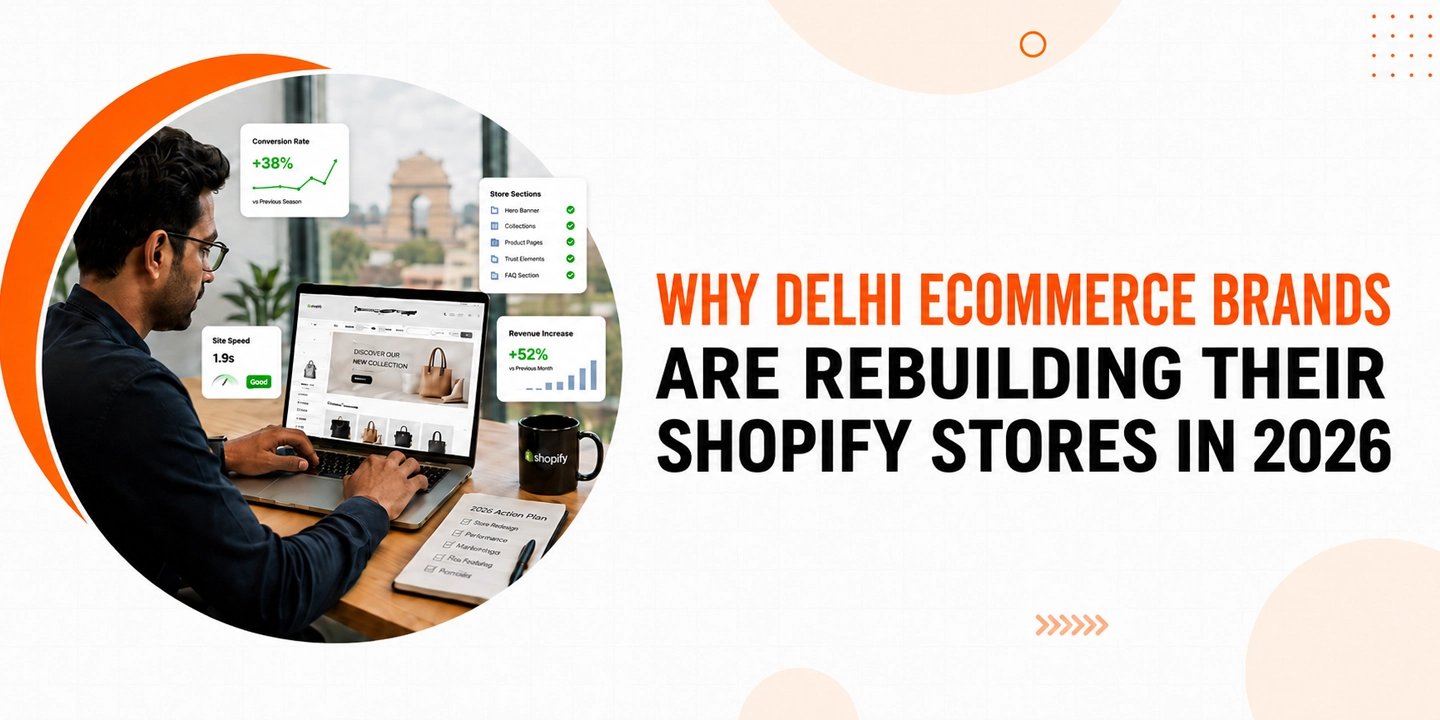
Customers are comparing brands faster, expectations are higher, and even small website issues can quietly reduce conversions. Delhi-based ecommerce businesses are now realizing that having a Shopify store is not enough anymore. The store also needs to perform smoothly, load quickly, feel trustworthy, and support growth without creating operational problems.

That’s exactly why many businesses are rebuilding their Shopify websites instead of simply making small updates.

The shift is not about following trends. It’s about solving real business problems that older ecommerce setups can no longer handle effectively.

The First Version of Many Shopify Stores Was Built Too Quickly

A large number of ecommerce brands launched their stores during periods of rapid online growth. The goal was simple: go live fast and start selling.

In the process, many stores were created using:

  • Generic themes
  • Heavy third-party apps
  • Poor mobile layouts
  • Unoptimized product structures
  • Weak customer journeys

Initially, those issues seemed manageable.

But as competition increased, businesses started noticing problems:
slower websites, lower conversion rates, rising bounce rates, and inconsistent customer engagement.

Many Delhi brands now understand that quick setup and long-term ecommerce performance are two very different things.

That realization is driving demand for professional Shopify development service in India focused on rebuilding stores strategically rather than patching existing issues repeatedly.

Customers in 2026 Expect Faster Shopping Experiences

Modern ecommerce users are impatient.

If a homepage loads slowly or a product page feels cluttered, customers rarely stay long enough to explore further. Delhi brands competing in fashion, electronics, beauty, home decor, and lifestyle sectors are facing this pressure daily.

Customers now expect:

  • Faster page loading
  • Smooth mobile browsing
  • Easy product discovery
  • Cleaner navigation
  • Quick checkout experiences

Even stores with good products struggle if the shopping experience feels outdated.

This is one reason businesses are working with experienced Shopify web developer India teams to rebuild websites with performance and usability as core priorities.

Mobile Optimization Has Become a Serious Business Requirement

A few years ago, many ecommerce stores treated mobile responsiveness as a secondary feature.

That approach no longer works.

Most ecommerce traffic now comes directly from mobile devices, especially in highly active ecommerce markets like Delhi. Customers browse products during commutes, work breaks, and social media sessions. If a Shopify store feels difficult to use on mobile, visitors leave quickly.

Common problems older Shopify stores still face include:

  • Slow mobile speed
  • Oversized banners
  • Poor product filtering
  • Difficult navigation menus
  • Confusing checkout forms

Rebuilding stores with mobile-first architecture is becoming one of the biggest priorities for ecommerce website development company in Delhi teams.

Because in 2026, mobile usability directly affects sales performance.

Delhi Brands Are Moving Beyond Generic Shopify Themes

Many businesses initially launched using standard Shopify templates with minimal customization.

While that helped reduce launch time, it also created a major problem: stores started looking similar.

Customers today notice when brands feel generic.

That’s why many businesses are now investing in:

  • Custom homepage experiences
  • Better storytelling sections
  • Interactive product pages
  • Stronger visual identity
  • Cleaner customer journeys

An experienced Shopify website designer in India understands that modern ecommerce branding is not only about design aesthetics. It’s about creating memorable shopping experiences that customers actually trust and remember.

Delhi brands competing in crowded markets are rebuilding stores specifically to improve differentiation.

Too Many Apps Are Slowing Down Ecommerce Stores

One hidden issue affecting older Shopify stores is app overload.

Over time, businesses install multiple apps for:

  • Reviews
  • Discounts
  • Popups
  • Upselling
  • Analytics
  • Chat systems
  • Inventory tools

Eventually, the store becomes bloated.

This creates slower loading times, design inconsistencies, and technical conflicts.

Many ecommerce website developers Delhi are now rebuilding Shopify stores with cleaner architecture and fewer unnecessary dependencies.

Instead of relying on excessive apps, businesses are investing in more optimized custom functionality.

The result is usually:

  • Faster websites
  • Better stability
  • Improved customer experience
  • Easier maintenance

Conversion Rates Are Becoming More Important Than Traffic

Delhi ecommerce brands are becoming more focused on conversion quality instead of traffic numbers alone.

A few years ago, businesses were satisfied if ads generated large visitor volumes. But many stores discovered that traffic means very little when customers do not complete purchases.

That shift is changing how Shopify stores are being rebuilt.

Brands are now improving:

  • Product page clarity
  • Checkout simplicity
  • Customer trust signals
  • Navigation structure
  • Product discovery flow

The focus is no longer just attracting visitors. It’s guiding visitors smoothly toward purchasing decisions.

This is why businesses increasingly work with a Shopify development agency in India that understands conversion-focused ecommerce strategy instead of only technical setup.

SEO Limitations Are Pushing Brands to Rebuild

Some Delhi ecommerce businesses built stores quickly without planning long-term SEO structure properly.

As a result, they now struggle with:

  • Weak category architecture
  • Poor internal linking
  • Thin product content
  • Slow page performance
  • Duplicate content issues

Organic traffic competition has increased significantly in 2026. Ecommerce brands can no longer rely only on paid advertising for growth.

Many businesses are rebuilding Shopify websites with stronger SEO foundations from the beginning.

An experienced ecommerce development company in Delhi often focuses on combining:

  • Technical SEO
  • Content structure
  • Faster performance
  • Better UX
  • Scalable architecture

because search visibility now depends heavily on overall website quality.

Customers Expect More Trust Before Purchasing

Trust has become one of the biggest ecommerce conversion factors.

Customers are more cautious while shopping online, especially when discovering newer brands.

Older Shopify stores often lack strong trust-building elements such as:

  • Clear return policies
  • Transparent shipping details
  • Better product presentation
  • Real customer reviews
  • Faster customer support visibility

Modern Shopify rebuilds are increasingly focused on reducing hesitation during the buying process.

Delhi brands understand that customers are comparing multiple stores instantly. Even small trust gaps can push visitors toward competitors.

Faster Checkout Experiences Are Now Essential

Checkout friction remains one of the biggest reasons ecommerce brands lose sales.

Older Shopify stores often contain:

  • Long forms
  • Complicated discount systems
  • Slow payment loading
  • Too many checkout steps

Customers expect simplicity.

That’s why many ecommerce service provider in Delhi teams are rebuilding checkout experiences to make purchasing feel faster and smoother.

Small improvements during checkout often create measurable conversion improvements.

Brands Are Rebuilding Stores for Scalability

Many Shopify stores were originally built only for immediate selling needs.

But as businesses grow, operational complexity increases.

Brands eventually need:

  • Better inventory systems
  • ERP integrations
  • Subscription functionality
  • Multi-channel selling
  • International ecommerce support

Older store structures often struggle to handle these requirements efficiently.

Rebuilding allows businesses to create scalable ecommerce infrastructure instead of continuously fixing outdated systems.

That’s one reason demand for Shopify development company in India services continues growing among scaling ecommerce brands.

Design Trends Have Changed Significantly

The design style that worked in 2021 or 2022 often feels outdated now.

Modern ecommerce design in 2026 is becoming:

  • Cleaner
  • Faster
  • More minimal
  • More content-focused
  • Easier to navigate

Customers respond better to websites that feel simple and intuitive rather than overloaded with banners and promotional distractions.

Many Delhi brands are redesigning Shopify stores because customer behavior itself has changed.

An experienced Shopify website design service in India provider usually focuses more on usability and customer flow than flashy design elements alone.

Delhi’s Ecommerce Competition Is Forcing Higher Standards

Delhi has become one of the most competitive ecommerce markets in India.

Customers now compare:

  • Website speed
  • Product presentation
  • Checkout experience
  • Delivery expectations
  • Brand trust

across multiple stores before purchasing.

Because competition is increasing rapidly, businesses can no longer afford outdated ecommerce experiences.

Rebuilding Shopify stores has become less about “refreshing design” and more about improving overall business performance.

What Smart Ecommerce Brands Are Doing Differently

The brands rebuilding successfully are not redesigning randomly.

They are focusing on:

  • Better mobile performance
  • Faster loading speed
  • Cleaner architecture
  • Improved customer journeys
  • SEO-focused structure
  • Stronger branding
  • Easier store management

They are also choosing experienced ecommerce website development services in Delhi teams that understand both ecommerce strategy and technical scalability together.

That balance matters much more in 2026 than it did a few years ago.

Final Thoughts

Delhi ecommerce brands are rebuilding their Shopify stores because customer expectations, competition, and ecommerce standards have evolved rapidly.

A store that once felt modern can quickly become outdated when performance issues, weak mobile usability, slow speed, and poor customer experience begin affecting conversions.

The brands growing successfully in 2026 are not necessarily the ones spending the most on ads. They are the ones improving the shopping experience consistently.

Whether it’s faster mobile performance, stronger SEO structure, cleaner checkout flows, or better branding, ecommerce businesses now understand that long-term growth depends heavily on website quality and usability.

That’s why many businesses are partnering with a reliable Shopify development company in India, ecommerce website development company in Delhi, and experienced ecommerce website developers Delhi teams to rebuild stores that are designed not only to look good — but to perform better at every stage of the customer journey.


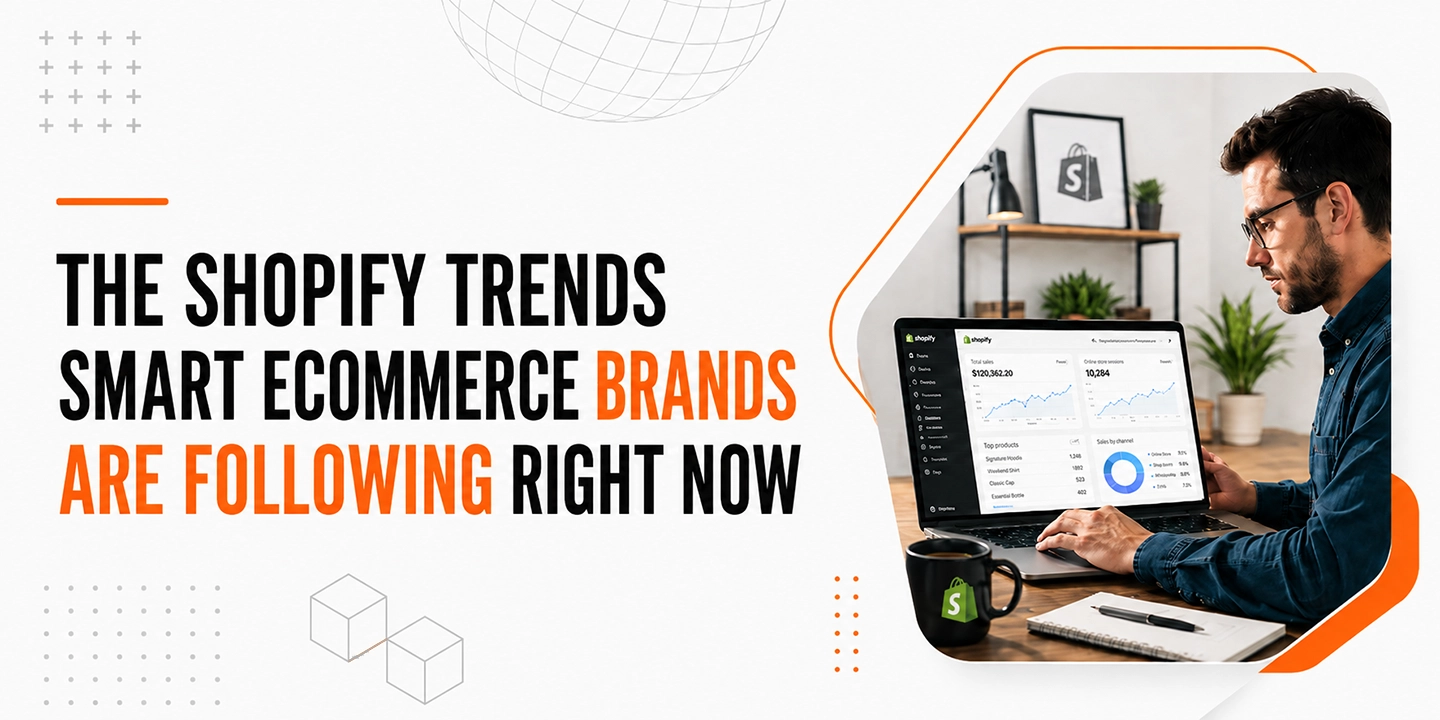
Ecommerce brands are no longer competing only on products or pricing. Customers now expect fast websites, smooth mobile experiences, personalized shopping journeys, and frictionless checkout processes. Because of this, Shopify stores in 2026 look very different from what they did just a few years ago.

Businesses are becoming more strategic about how they build and scale online stores. Instead of simply launching a website and running ads, brands are investing in customer experience, automation, performance optimization, and scalable ecommerce infrastructure.

That shift is influencing the latest Shopify trends smart ecommerce brands are following right now.

Some trends are focused on improving conversions. Others are helping businesses simplify operations, increase repeat purchases, or create stronger customer engagement. The common factor is that brands are prioritizing long-term growth instead of short-term tactics.

This article explores the major Shopify trends shaping ecommerce in 2026 and why businesses are adapting quickly.

Why Shopify Continues to Dominate Ecommerce Growth

Shopify remains one of the most preferred ecommerce platforms because it balances usability with scalability.

Businesses choose Shopify because it offers:

  • Faster store setup
  • Mobile-optimized themes
  • Secure infrastructure
  • Flexible integrations
  • Reliable checkout systems
  • Multi-channel selling support

At the same time, Shopify continues evolving with modern ecommerce needs, making it attractive for startups and enterprise brands alike.

That’s why many businesses now work with a professional Shopify development company in India to build scalable and conversion-focused ecommerce stores.

Trend #1: Mobile-First Store Experiences Are Becoming Standard

Mobile commerce is no longer an “additional” focus. For many Shopify brands, mobile traffic now drives the majority of sales.

Smart ecommerce businesses are investing heavily in:

  • Faster mobile page speed
  • Thumb-friendly navigation
  • Simplified mobile checkout
  • Optimized product images
  • Mobile-first product layouts

Customers expect shopping experiences that feel smooth on smaller screens. Slow-loading pages or cluttered mobile interfaces often lead to abandoned sessions.

Businesses investing in Shopify website design service in India are increasingly prioritizing responsive design and mobile usability from the beginning.

Trend #2: Minimalist Shopify Store Design Is Growing

Brands are moving away from overly crowded ecommerce layouts.

In 2026, successful Shopify stores often follow cleaner design principles:

  • More white space
  • Focused product presentation
  • Clear calls-to-action
  • Simpler navigation
  • Faster browsing experiences

This design shift improves both usability and conversion rates.

An experienced eCommerce design company in India understands that modern ecommerce design is not about adding more elements — it’s about reducing friction and guiding users naturally.

Trend #3: AI-Powered Personalization Is Becoming Common

Many Shopify brands are now using AI-driven tools to personalize customer experiences.

This includes:

  • Personalized product recommendations
  • Smart search suggestions
  • Dynamic homepage content
  • AI-powered customer support
  • Automated upselling

Instead of showing the same experience to every customer, brands are creating more tailored shopping journeys.

The goal is simple: make product discovery easier and increase purchase intent without overwhelming customers.

Trend #4: Faster Checkout Experiences Are a Major Priority

Cart abandonment remains one of the biggest ecommerce challenges.

To reduce friction, Shopify brands are simplifying checkout flows by offering:

  • One-click payments
  • Wallet integrations
  • Faster guest checkout
  • Auto-filled customer details
  • Subscription payment options

Even small checkout delays can reduce conversions significantly.

Businesses working with a Shopify development agency in India are focusing more on checkout optimization because it directly impacts revenue.

Trend #5: Headless Commerce Adoption Is Increasing

Larger ecommerce brands are increasingly exploring headless commerce solutions with Shopify.

In a headless setup:

  • The frontend design layer is separated from the backend ecommerce system.
  • Businesses gain more flexibility for custom experiences.
  • Performance optimization becomes easier.

Headless Shopify setups are becoming popular among brands needing:

  • Advanced UI/UX experiences
  • Faster websites
  • Omnichannel integrations
  • High customization

Although headless commerce is not necessary for every business, it is becoming a major trend among scaling brands.

Trend #6: Subscription-Based Ecommerce Models Are Growing

More Shopify businesses are introducing subscription models to create recurring revenue.

Popular industries adopting subscriptions include:

  • Beauty products
  • Health supplements
  • Pet products
  • Fashion accessories
  • Coffee and beverage brands

Subscription models improve:

  • Customer retention
  • Revenue predictability
  • Long-term customer value

Shopify’s app ecosystem makes subscription integrations easier than before, encouraging more brands to adopt recurring purchase models.

Trend #7: Speed Optimization Is Becoming a Competitive Advantage

Customers are becoming less patient with slow ecommerce websites.

Smart brands are focusing on:

  • Core Web Vitals optimization
  • Lightweight themes
  • Faster product loading
  • Optimized images
  • Reduced app bloat

A fast website not only improves customer experience but also supports SEO performance.

Businesses hiring a Shopify web developer India team are now prioritizing speed optimization as part of core ecommerce strategy rather than post-launch maintenance.

Trend #8: Content-Driven Ecommerce Is Growing

Many Shopify brands are investing more in content marketing instead of relying only on paid ads.

Successful ecommerce brands are building:

  • Educational blogs
  • Product guides
  • Buying tutorials
  • Video content
  • User-generated content

This strategy helps improve:

  • Organic traffic
  • Brand trust
  • Customer engagement
  • SEO visibility

An experienced eCommerce web development company in India often combines ecommerce functionality with strong content architecture to support long-term traffic growth.

Trend #9: Social Commerce Integration Is Expanding

Customers increasingly discover products through social platforms before visiting ecommerce stores.

Shopify brands are integrating directly with:

  • Instagram
  • Facebook
  • TikTok
  • YouTube
  • Pinterest

This allows businesses to:

  • Tag products in posts
  • Sell directly through social platforms
  • Improve product discovery
  • Shorten customer journeys

Social commerce is becoming especially important for visually driven industries like fashion, beauty, and lifestyle products.

Trend #10: Custom Shopify Experiences Are Replacing Generic Templates

Many brands are moving beyond standard Shopify themes.

Businesses now want:

  • Unique storefront experiences
  • Better storytelling
  • Personalized navigation
  • Advanced product pages
  • Interactive shopping elements

This shift is increasing demand for custom Shopify development service in India providers who can create tailored ecommerce experiences.

Modern customers notice when stores feel generic. Brands are responding by investing more in custom design and user experience.

Trend #11: Multi-Channel Selling Is Becoming Essential

Ecommerce brands are no longer relying only on their website for sales.

Many Shopify businesses now sell through:

  • Online marketplaces
  • Social media
  • Retail POS systems
  • Mobile apps
  • International channels

Managing all these channels from one system improves operational efficiency and customer experience.

Shopify’s ecosystem makes multi-channel selling easier, which is one reason many businesses continue choosing the platform.

Trend #12: Data-Driven Ecommerce Decisions Are Increasing

Brands are paying closer attention to customer behavior data.

Instead of guessing, businesses now analyze:

  • Product performance
  • Customer retention
  • Checkout drop-offs
  • Traffic behavior
  • Conversion paths

This data helps brands make smarter decisions about:

  • Product placement
  • Marketing campaigns
  • Inventory planning
  • Customer experience improvements

Businesses that use ecommerce analytics effectively usually scale more efficiently over time.

Trend #13: Shopify Stores Are Focusing More on Brand Trust

Customers are more careful about where they shop online.

Successful Shopify brands are investing in trust-building elements such as:

  • Transparent policies
  • Verified reviews
  • Faster customer support
  • Secure payment options
  • Clear shipping information

Trust directly influences conversion rates, especially for first-time visitors.

An experienced Shopify development company in India often focuses not just on design but also on creating a trustworthy shopping experience.

Trend #14: Automation Is Reducing Manual Ecommerce Work

Automation is helping businesses manage operations more efficiently.

Shopify stores now automate tasks like:

  • Inventory updates
  • Customer emails
  • Order tracking
  • Cart recovery
  • Product recommendations

This allows ecommerce teams to focus more on growth and customer engagement instead of repetitive operational work.

What Smart Ecommerce Brands Are Doing Differently

The most successful Shopify brands are not simply following trends blindly. They are carefully selecting strategies that improve:

  • Customer experience
  • Operational efficiency
  • Conversion rates
  • Long-term scalability

They also understand that technology alone is not enough. Strategy, branding, and usability matter equally.

That’s why many growing brands choose to hire Shopify developer in India professionals who understand both technical development and ecommerce business goals.

Final Thoughts

Shopify trends in 2026 are centered around customer experience, performance, flexibility, and smarter ecommerce operations.

Brands are investing more in mobile optimization, faster checkout systems, personalized shopping experiences, and scalable infrastructure because customer expectations continue to rise.

At the same time, ecommerce businesses are becoming more strategic. Instead of chasing every trend, smart brands are focusing on improvements that create measurable business impact.

Whether it’s custom storefront design, content-driven growth, automation, or performance optimization, the common goal remains the same: building ecommerce experiences that customers genuinely enjoy using.

Businesses that adapt thoughtfully to these evolving Shopify trends are more likely to build sustainable ecommerce growth over the coming years.


Selecting an ecommerce platform was never a complex choice before. Businesses usually focus on price, theme, and a few other essential factors before deploying their website. However, 2026 has seen the ecommerce market mature and develop even further.

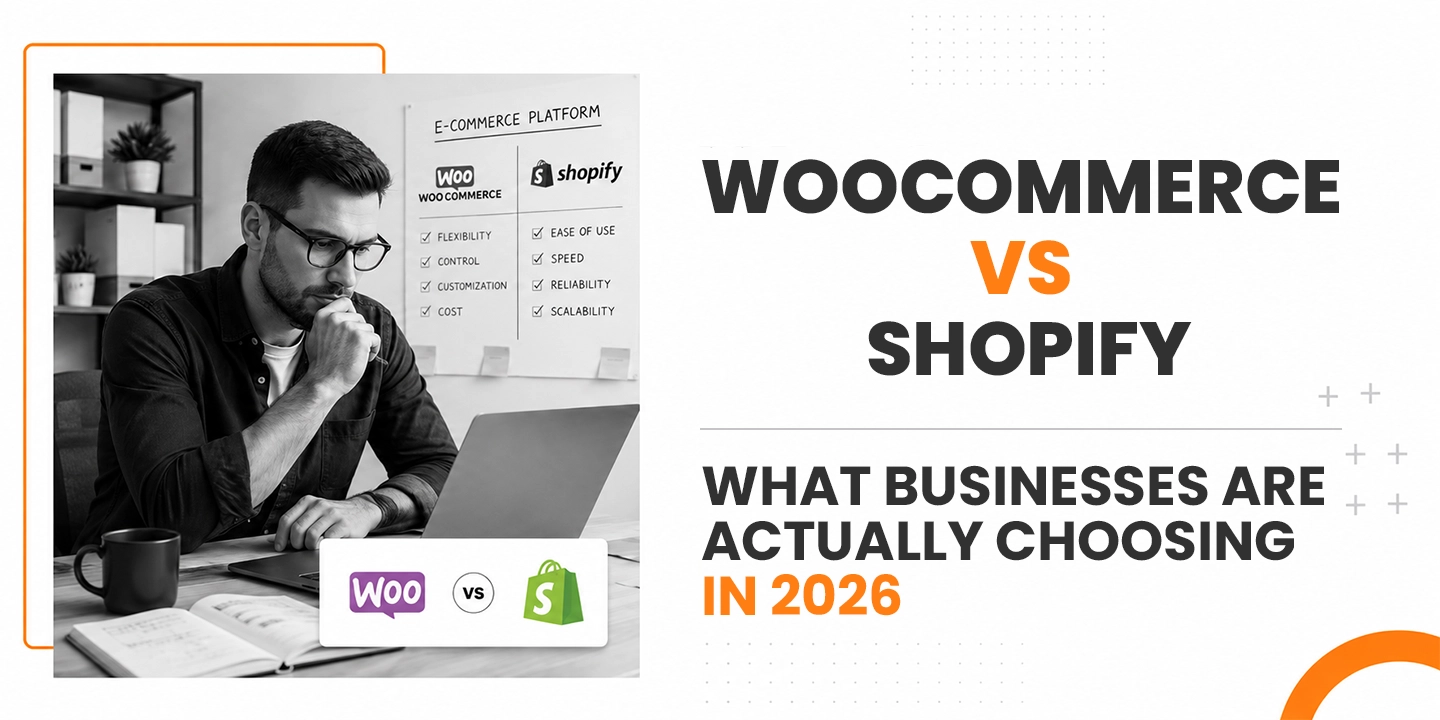
In 2026, brands consider scalability, user experience, mobile optimization, SEO, automation, integration capabilities, and flexibility before settling for any platform. This is precisely the reason why the conversation about WooCommerce vs Shopify still exists.

While some companies need ultimate control and customizability, others require efficiency and ease in managing stores. Both platforms have their strengths, but they cater to different needs.

One thing to note about businesses today is that they aren’t following any trend blindly. On the contrary, they are choosing platforms based on the way they do business and sell.

In this piece, you will learn about what businesses choose in 2026, reasons behind their decisions, and how WooCommerce and Shopify compete on a realistic scale.

Why Businesses Still Compare WooCommerce and Shopify

Both platforms dominate the ecommerce industry for different reasons.

WooCommerce gives businesses flexibility and ownership, while Shopify focuses on simplicity and streamlined ecommerce management.

The choice often comes down to questions like:

  • How much customization is needed?
  • Does the business have technical support?
  • Is SEO a major growth channel?
  • How quickly does the store need to launch?
  • What is the long-term growth plan?
  • How important is operational simplicity?

These factors matter far more than marketing claims.

Understanding the Main Difference Between WooCommerce and Shopify

Before comparing features, it’s important to understand how both platforms fundamentally work.

WooCommerce

WooCommerce is an open-source ecommerce plugin built on WordPress.

Businesses get complete control over:

  • Website hosting
  • Design structure
  • Plugins
  • SEO setup
  • Backend functionality
  • Custom development

This is why many businesses work with a professional WooCommerce development company in India when they need tailored ecommerce solutions.

Shopify

Shopify is a hosted ecommerce platform.

It manages:

  • Hosting
  • Security
  • Server infrastructure
  • Platform maintenance
  • Performance optimization

Businesses can focus more on sales and operations instead of technical management.

That simplicity is one reason many growing brands prefer a Shopify development company in India for faster ecommerce launches.

What Businesses Are Actually Choosing in 2026

The answer depends heavily on business type and operational priorities.

Businesses Choosing Shopify More Often

Shopify is increasingly popular among:

  • D2C brands
  • Fashion stores
  • Beauty companies
  • Lifestyle startups
  • Influencer-led brands
  • Fast-scaling ecommerce businesses

These companies usually prioritize:

  • Faster setup
  • Simplified management
  • Reliable checkout performance
  • Lower technical involvement
  • Easy scaling

Many businesses now prefer working with a Shopify development agency in India because Shopify reduces operational complexity.

Businesses Still Preferring WooCommerce

WooCommerce continues to attract businesses that need deeper customization and content flexibility.

This includes:

  • SEO-driven ecommerce websites
  • Content-heavy businesses
  • Educational brands
  • Large product catalogs
  • B2B ecommerce businesses
  • Custom workflow requirements

Businesses hiring WooCommerce development services in India are often looking for greater flexibility and ownership over their ecommerce ecosystem.

Ease of Setup and Store Management

Shopify Makes Ecommerce Easier for Non-Technical Teams

One major reason businesses choose Shopify is simplicity.

The setup process is straightforward:

  • Select a theme
  • Add products
  • Configure payment methods
  • Launch the store

Shopify’s dashboard is user-friendly, which helps businesses manage products, orders, and inventory without needing advanced technical knowledge.

For startups or smaller teams, this ease of use becomes a major advantage.

WooCommerce Requires More Technical Involvement

WooCommerce offers flexibility, but setup is more technical.

Businesses usually need to handle:

  • Hosting setup
  • WordPress configuration
  • Plugin management
  • Security optimization
  • Performance monitoring

That’s why companies often hire WooCommerce developer in India professionals to properly configure and maintain their ecommerce stores.

While this adds technical responsibility, it also gives businesses more control.

Design Flexibility and Customization

This is where WooCommerce often stands out.

WooCommerce Offers Greater Creative Freedom

WooCommerce allows developers to customize almost every aspect of the website.

Businesses can create:

  • Custom checkout experiences
  • Unique product pages
  • Advanced filtering systems
  • Personalized customer journeys
  • Complex ecommerce workflows

An experienced WooCommerce website designer in India can create highly customized ecommerce experiences that match exact business requirements.

Shopify Prioritizes Structured Simplicity

Shopify themes are professionally designed and optimized for ecommerce performance.

Customization is possible, but Shopify works best when businesses stay within its ecosystem and structure.

For many businesses, this is actually beneficial because it keeps development cleaner and easier to maintain.

However, businesses needing extensive custom functionality sometimes find WooCommerce more flexible.

SEO Comparison: Which Platform Performs Better?

SEO continues to influence platform decisions in 2026.

WooCommerce Has Strong SEO Flexibility

Because WooCommerce runs on WordPress, businesses gain greater SEO control.

This includes:

  • Flexible URL structures
  • Better blog integration
  • Custom schema implementation
  • Advanced content optimization
  • Greater control over technical SEO

Businesses focused heavily on content marketing and organic search often prefer WooCommerce for this reason.

Shopify Has Improved SEO Capabilities

Shopify has significantly improved its SEO features over the years.

Modern Shopify stores now support:

  • Fast page loading
  • Mobile optimization
  • Structured metadata
  • SEO-focused themes
  • Optimized product pages

A skilled Shopify web developer India team can build highly optimized Shopify stores for search visibility as well.

Still, businesses requiring deeper SEO customization sometimes lean toward WooCommerce.

Cost Comparison in 2026

Cost remains one of the biggest deciding factors.

Shopify Pricing Structure

Shopify includes recurring platform fees along with possible costs for:

  • Premium themes
  • Paid apps
  • Transaction fees
  • Advanced integrations

The pricing is predictable, which many businesses appreciate.

However, operational costs can grow as app dependencies increase.

Businesses using Shopify development service in India providers often choose Shopify because it reduces infrastructure management expenses.

WooCommerce Pricing Structure

WooCommerce itself is free, but businesses pay separately for:

  • Hosting
  • Premium plugins
  • Security tools
  • Maintenance
  • Development support

For businesses with technical resources, WooCommerce can become more cost-effective over time.

But poorly managed WooCommerce stores may create hidden maintenance costs later.

Performance and Website Speed

Speed directly affects user experience and conversion rates.

Shopify Provides Stable Performance

Since Shopify manages hosting infrastructure internally, performance is generally reliable.

Businesses don’t need to worry much about:

  • Server management
  • Hosting optimization
  • Security patches
  • CDN configuration

This simplicity attracts businesses looking for operational stability.

WooCommerce Performance Depends on Development Quality

WooCommerce performance depends heavily on technical setup.

A properly optimized WooCommerce store can perform extremely well, but poor hosting or excessive plugins can slow websites significantly.

An experienced WooCommerce web developer in India can optimize:

  • Database performance
  • Image delivery
  • Caching
  • Core Web Vitals
  • Mobile responsiveness

Development quality matters much more with WooCommerce.

Scalability and Long-Term Growth

Shopify Simplifies Scaling

Shopify is designed to support business growth without requiring major technical management.

This is especially useful for brands expecting rapid sales growth.

Many scaling businesses eventually move to Shopify Plus for:

  • Advanced automation
  • International selling
  • Faster operations
  • Enterprise-level functionality

WooCommerce Supports Flexible Scaling

WooCommerce also scales effectively when properly developed.

Businesses needing:

  • ERP integrations
  • Multi-vendor functionality
  • Complex catalogs
  • Subscription systems
  • Advanced B2B workflows

often choose WooCommerce because of its development flexibility.

An experienced eCommerce web development company in India can build scalable architectures for either platform depending on business requirements.

Security and Maintenance

Shopify Handles Most Maintenance Internally

Shopify automatically manages:

  • Security updates
  • Hosting stability
  • SSL certificates
  • Infrastructure monitoring

This reduces technical workload significantly.

WooCommerce Requires Ongoing Maintenance

WooCommerce stores require continuous management, including:

  • Plugin updates
  • Security monitoring
  • Backup systems
  • Compatibility testing

Businesses working with a reliable WooCommerce development company in India usually maintain long-term technical support to avoid operational issues.

Which Platform Is Better for Small Businesses?

Shopify Is Often Easier for Beginners

For businesses without technical teams, Shopify usually feels easier to manage.

The platform allows business owners to focus more on:

  • Marketing
  • Product management
  • Customer service
  • Sales growth

rather than technical operations.

WooCommerce Works Better for Custom Content Ecosystems

Businesses already using WordPress often prefer WooCommerce because it integrates naturally with blogs, landing pages, and SEO strategies.

This works especially well for:

  • Content publishers
  • Educational businesses
  • Service-based brands
  • SEO-focused ecommerce stores

Common Mistakes Businesses Make While Choosing

Many businesses select platforms based on popularity instead of operational needs.

Common Mistakes Include

  • Choosing Shopify for highly custom workflows
  • Choosing WooCommerce without technical support
  • Ignoring future scalability
  • Overusing plugins or apps
  • Prioritizing low upfront cost only

The platform should support the business model — not complicate it.

How Businesses Are Making Better Platform Decisions in 2026

Businesses are becoming more strategic about ecommerce investments.

Instead of asking, “Which platform is best?” they now ask:

  • Which platform fits our operations?
  • How important is customization?
  • What technical support do we have?
  • How fast do we plan to scale?
  • What role will SEO play in growth?

This practical approach is helping businesses avoid expensive migrations later.

An experienced eCommerce design company in India will usually recommend platforms based on business goals rather than trends.

Final Thoughts

WooCommerce and Shopify are both powerful ecommerce platforms, but they solve business challenges differently.

Shopify is becoming the preferred choice for businesses that value simplicity, speed, and easier management. WooCommerce continues to attract businesses that need flexibility, deeper customization, and stronger content integration.

The better platform is not the one with more features. It’s the one that fits the business structure, growth strategy, and operational needs most effectively.

Businesses making thoughtful platform decisions in 2026 are focusing less on hype and more on long-term usability, scalability, and customer experience.

That shift is leading to smarter ecommerce investments and more sustainable growth.


Launching a Shopify store is no longer just about putting products online. Businesses now expect faster websites, seamless mobile experiences, custom integrations, automation, and conversion-focused design. That’s exactly why Shopify development costs in India are changing in 2026.

Some companies only need a simple storefront, while others require advanced Shopify setups with custom features, third-party integrations, and scalable architecture. Because of this, there is no fixed price for Shopify development. The final cost depends on the business goals, store complexity, design expectations, and development requirements.

For brands planning to work with a professional Shopify development company in India, understanding the actual cost structure can help avoid unnecessary spending and unrealistic expectations.

This guide explains what businesses should realistically expect when investing in Shopify development services in India in 2026.

Why Shopify Continues to Grow in 2026

Shopify has become a preferred platform for startups, D2C brands, wholesalers, and enterprise businesses because it simplifies ecommerce operations without compromising scalability.

Businesses choose Shopify because it offers:

  • Fast store setup
  • Secure hosting and maintenance
  • Mobile-optimized storefronts
  • Large app ecosystem
  • Easy product and inventory management
  • Multi-channel selling support
  • Reliable checkout performance

As competition in ecommerce increases, businesses are investing more in custom Shopify experiences instead of using default themes alone. That shift directly impacts development costs.

What Influences Shopify Development Cost in India?

The cost of Shopify development depends on several technical and business factors. A basic store may cost significantly less than a highly customized ecommerce setup.

1. Store Design Requirements

Design is one of the biggest cost factors.

A business using a pre-built Shopify theme with minor edits will spend far less than a brand requesting a fully custom storefront.

Basic Design Includes

  • Theme setup
  • Brand colors and typography
  • Homepage customization
  • Product page setup
  • Mobile responsiveness

Advanced Custom Design Includes

  • Unique UI/UX layouts
  • Interactive sections
  • Custom animations
  • Conversion-focused product pages
  • Personalized shopping experiences

Businesses looking for premium branding often hire a professional Shopify website designer in India to create a more customized storefront experience.

Shopify Store Types and Estimated Development Costs

Small Shopify Store

Suitable for startups and small businesses.

Features

  • Basic theme customization
  • Standard pages
  • Payment setup
  • Product upload
  • Basic SEO setup

Estimated Cost

₹25,000 – ₹80,000

Medium-Sized Ecommerce Store

Ideal for growing brands with larger product catalogs.

Features

  • Custom design modifications
  • Advanced filtering
  • App integrations
  • Email marketing setup
  • Speed optimization
  • Conversion improvements

Estimated Cost

₹80,000 – ₹3,00,000

Many businesses prefer working with a reliable Shopify development agency India for this level of project because strategy becomes equally important as development.

Enterprise Shopify Development

Designed for high-volume ecommerce operations.

Features

  • Custom functionality
  • ERP or CRM integration
  • API development
  • Multi-store management
  • Shopify Plus setup
  • Automation workflows
  • Headless commerce solutions

Estimated Cost

₹3,00,000 – ₹15,00,000+

Enterprise brands often hire a dedicated Shopify web developer in India or a complete development team for long-term scaling.

Custom Shopify Development vs Theme-Based Development

Businesses in 2026 are increasingly comparing custom Shopify builds with theme-based development.

Theme-Based Shopify Development

This is faster and more affordable.

Best For

  • New businesses
  • Limited budgets
  • Faster launch timelines

Pros

  • Lower development cost
  • Quick deployment
  • Easy maintenance

Limitations

  • Less flexibility
  • Limited uniqueness
  • Feature restrictions

Custom Shopify Development

This approach focuses on creating a store around specific business requirements.

Best For

  • Established brands
  • Unique product experiences
  • Custom workflows
  • High-growth ecommerce businesses

Pros

  • Better performance optimization
  • Unique brand identity
  • Greater scalability
  • Advanced customer experience

Limitations

  • Higher initial investment
  • Longer development timeline

A professional Shopify development service in India usually helps businesses decide which approach fits their budget and long-term goals.

Cost Breakdown of Shopify Development Services

Understanding individual service costs helps businesses plan budgets more effectively.

Service Estimated Cost
Shopify Theme Setup ₹10,000 – ₹40,000
Custom Homepage Design ₹20,000 – ₹1,00,000
Shopify App Integration ₹5,000 – ₹50,000
Custom Shopify App Development ₹50,000 – ₹5,00,000+
Shopify Migration ₹20,000 – ₹2,00,000
Speed Optimization ₹10,000 – ₹50,000
Shopify SEO Setup ₹15,000 – ₹75,000
API Integration ₹25,000 – ₹3,00,000
Ongoing Maintenance ₹5,000 – ₹50,000/month

Hidden Costs Businesses Often Ignore

Many businesses only consider development charges and forget operational or technical costs.

Here are some common hidden expenses:

Shopify Subscription Plans

Shopify itself has monthly subscription costs depending on the chosen plan.

Paid Apps

Many ecommerce stores rely on premium apps for:

  • Reviews
  • Upselling
  • Subscriptions
  • Inventory sync
  • Email marketing
  • Analytics

These recurring costs can add up over time.

Third-Party Integrations

Connecting Shopify with ERP systems, accounting software, logistics tools, or CRMs may require additional development.

Content and Product Upload

Large stores often need professional product uploads, image optimization, and content formatting.

Ongoing Maintenance

Stores require continuous improvements, updates, bug fixing, and optimization after launch.

Businesses working with a Shopify development company in India should always ask for a clear scope document before starting the project.

Why Shopify Development Costs in India Are Competitive

India remains one of the strongest global destinations for ecommerce development because businesses can access highly skilled developers at competitive pricing.

Key Advantages

  • Experienced ecommerce developers
  • Strong technical expertise
  • Flexible pricing models
  • Quality design and development support
  • Access to certified Shopify experts

This is why international brands frequently hire Shopify developer in India teams for both small and enterprise-level projects.

Should Businesses Hire Freelancers or Agencies?

This depends entirely on project complexity.

Freelancers

Good For

  • Small stores
  • Minor edits
  • Budget-focused projects

Risks

  • Limited scalability
  • Delayed communication
  • Lack of long-term support

Shopify Development Agencies

A professional Shopify development agency India usually offers:

  • Dedicated project management
  • UI/UX expertise
  • SEO support
  • Development testing
  • Ongoing maintenance
  • Scalable solutions

For medium and enterprise projects, agencies are generally more reliable.

Shopify Plus Development Costs

Shopify Plus is built for high-volume and enterprise ecommerce businesses.

Shopify Plus Development Typically Includes

  • Advanced automation
  • Custom checkout experiences
  • B2B functionality
  • International selling
  • Enterprise integrations
  • Headless commerce architecture

Estimated Cost Range

₹5,00,000 – ₹25,00,000+

The investment is significantly higher because Shopify Plus projects require advanced architecture and development expertise.

Ecommerce Trends Affecting Shopify Development in 2026

Several trends are increasing development complexity and influencing pricing.

AI-Powered Ecommerce Features

Brands are integrating:

  • AI product recommendations
  • Smart search
  • Automated customer support
  • Personalized shopping experiences

Headless Commerce

Many fast-growing brands now separate frontend and backend systems for better performance and flexibility.

Mobile-First Shopping

Most customers shop through mobile devices, making responsive performance a major development priority.

Faster Checkout Experiences

Businesses are investing in:

  • One-click checkout
  • Subscription models
  • Wallet integrations
  • Faster payment flows

These enhancements increase development scope but improve long-term conversions.

How to Reduce Shopify Development Costs Without Compromising Quality

Businesses can control budgets by making smarter development decisions.

Start With Core Features

Avoid building unnecessary custom features in the initial phase.

Use Proven Apps

Sometimes premium apps are more affordable than custom development.

Prioritize Conversion Pages

Focus first on:

  • Homepage
  • Product pages
  • Checkout optimization

Plan Scalability Early

A poor technical structure often leads to expensive redevelopment later.

Work With Experienced Developers

Experienced teams reduce mistakes, delays, and rework costs.

A reliable Shopify website design service in India can help businesses prioritize essential investments instead of overspending on unnecessary features.

Questions Businesses Should Ask Before Hiring a Shopify Development Partner

Before selecting a development partner, businesses should ask:

  • Do they have Shopify-specific experience?
  • Can they share live ecommerce projects?
  • Do they provide post-launch support?
  • How do they handle SEO and performance optimization?
  • Will the store be scalable for future growth?
  • What is included in the final pricing?

Choosing the cheapest option often creates larger technical problems later.

Final Thoughts

Shopify development costs in India in 2026 vary based on business goals, customization needs, integrations, and growth expectations. A simple store may require a modest investment, while enterprise ecommerce platforms demand advanced architecture and ongoing technical support.

The key is not finding the lowest price — it’s finding the right balance between quality, scalability, and long-term business value.

Businesses that invest in experienced Shopify professionals usually benefit from better performance, smoother customer experiences, and fewer operational issues over time.

Whether you are launching a new ecommerce brand or scaling an existing one, working with the right Shopify development company in India can make a significant difference in how efficiently your store performs and grows.