

fbpx
Schedule time with mepowered by Calendly

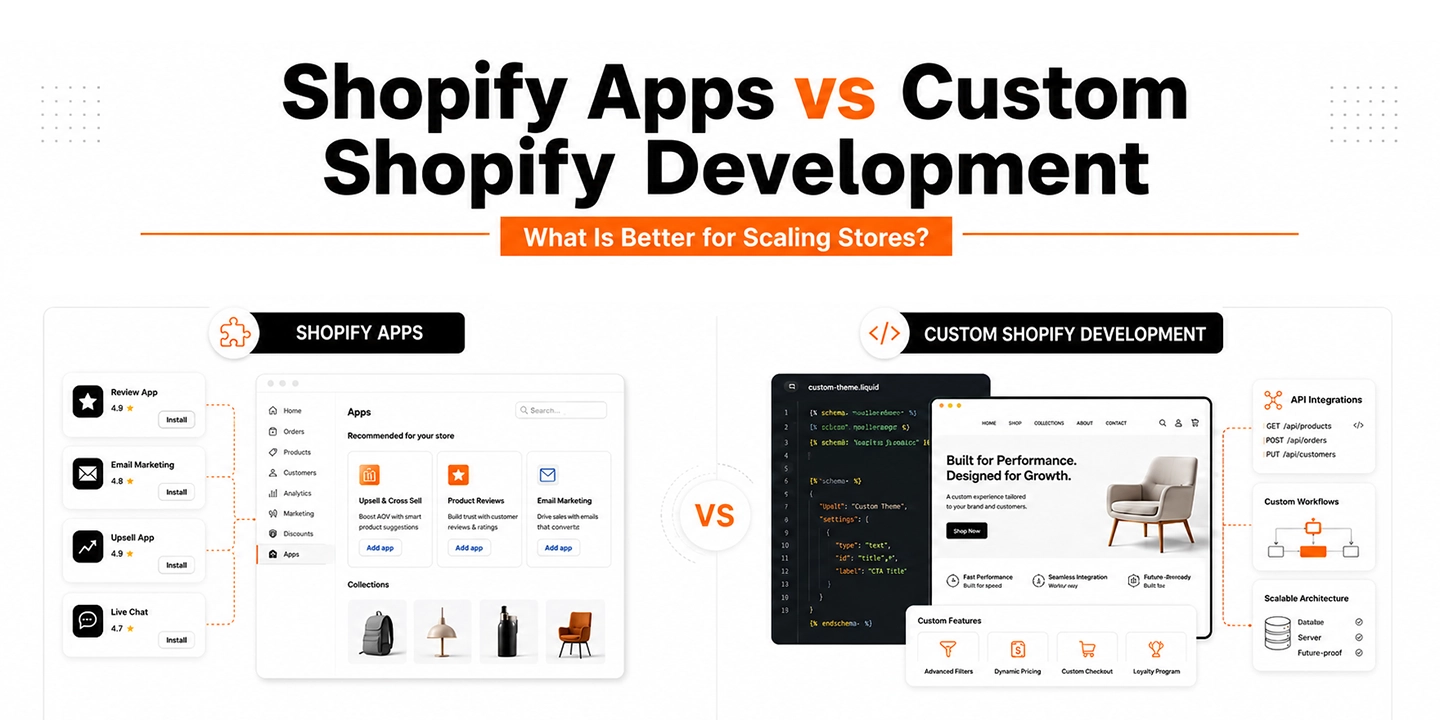
Selecting an ecommerce platform was never a complex choice before. Businesses usually focus on price, theme, and a few other essential factors before deploying their website. However, 2026 has seen the ecommerce market mature and develop even further.

In 2026, brands consider scalability, user experience, mobile optimization, SEO, automation, integration capabilities, and flexibility before settling for any platform. This is precisely the reason why the conversation about WooCommerce vs Shopify still exists.

While some companies need ultimate control and customizability, others require efficiency and ease in managing stores. Both platforms have their strengths, but they cater to different needs.

One thing to note about businesses today is that they aren’t following any trend blindly. On the contrary, they are choosing platforms based on the way they do business and sell.

In this piece, you will learn about what businesses choose in 2026, reasons behind their decisions, and how WooCommerce and Shopify compete on a realistic scale.

Why Businesses Still Compare WooCommerce and Shopify

Both platforms dominate the ecommerce industry for different reasons.

WooCommerce gives businesses flexibility and ownership, while Shopify focuses on simplicity and streamlined ecommerce management.

The choice often comes down to questions like:

  • How much customization is needed?
  • Does the business have technical support?
  • Is SEO a major growth channel?
  • How quickly does the store need to launch?
  • What is the long-term growth plan?
  • How important is operational simplicity?

These factors matter far more than marketing claims.

Understanding the Main Difference Between WooCommerce and Shopify

Before comparing features, it’s important to understand how both platforms fundamentally work.

WooCommerce

WooCommerce is an open-source ecommerce plugin built on WordPress.

Businesses get complete control over:

  • Website hosting
  • Design structure
  • Plugins
  • SEO setup
  • Backend functionality
  • Custom development

This is why many businesses work with a professional WooCommerce development company in India when they need tailored ecommerce solutions.

Shopify

Shopify is a hosted ecommerce platform.

It manages:

  • Hosting
  • Security
  • Server infrastructure
  • Platform maintenance
  • Performance optimization

Businesses can focus more on sales and operations instead of technical management.

That simplicity is one reason many growing brands prefer a Shopify development company in India for faster ecommerce launches.

What Businesses Are Actually Choosing in 2026

The answer depends heavily on business type and operational priorities.

Businesses Choosing Shopify More Often

Shopify is increasingly popular among:

  • D2C brands
  • Fashion stores
  • Beauty companies
  • Lifestyle startups
  • Influencer-led brands
  • Fast-scaling ecommerce businesses

These companies usually prioritize:

  • Faster setup
  • Simplified management
  • Reliable checkout performance
  • Lower technical involvement
  • Easy scaling

Many businesses now prefer working with a Shopify development agency in India because Shopify reduces operational complexity.

Businesses Still Preferring WooCommerce

WooCommerce continues to attract businesses that need deeper customization and content flexibility.

This includes:

  • SEO-driven ecommerce websites
  • Content-heavy businesses
  • Educational brands
  • Large product catalogs
  • B2B ecommerce businesses
  • Custom workflow requirements

Businesses hiring WooCommerce development services in India are often looking for greater flexibility and ownership over their ecommerce ecosystem.

Ease of Setup and Store Management

Shopify Makes Ecommerce Easier for Non-Technical Teams

One major reason businesses choose Shopify is simplicity.

The setup process is straightforward:

  • Select a theme
  • Add products
  • Configure payment methods
  • Launch the store

Shopify’s dashboard is user-friendly, which helps businesses manage products, orders, and inventory without needing advanced technical knowledge.

For startups or smaller teams, this ease of use becomes a major advantage.

WooCommerce Requires More Technical Involvement

WooCommerce offers flexibility, but setup is more technical.

Businesses usually need to handle:

  • Hosting setup
  • WordPress configuration
  • Plugin management
  • Security optimization
  • Performance monitoring

That’s why companies often hire WooCommerce developer in India professionals to properly configure and maintain their ecommerce stores.

While this adds technical responsibility, it also gives businesses more control.

Design Flexibility and Customization

This is where WooCommerce often stands out.

WooCommerce Offers Greater Creative Freedom

WooCommerce allows developers to customize almost every aspect of the website.

Businesses can create:

  • Custom checkout experiences
  • Unique product pages
  • Advanced filtering systems
  • Personalized customer journeys
  • Complex ecommerce workflows

An experienced WooCommerce website designer in India can create highly customized ecommerce experiences that match exact business requirements.

Shopify Prioritizes Structured Simplicity

Shopify themes are professionally designed and optimized for ecommerce performance.

Customization is possible, but Shopify works best when businesses stay within its ecosystem and structure.

For many businesses, this is actually beneficial because it keeps development cleaner and easier to maintain.

However, businesses needing extensive custom functionality sometimes find WooCommerce more flexible.

SEO Comparison: Which Platform Performs Better?

SEO continues to influence platform decisions in 2026.

WooCommerce Has Strong SEO Flexibility

Because WooCommerce runs on WordPress, businesses gain greater SEO control.

This includes:

  • Flexible URL structures
  • Better blog integration
  • Custom schema implementation
  • Advanced content optimization
  • Greater control over technical SEO

Businesses focused heavily on content marketing and organic search often prefer WooCommerce for this reason.

Shopify Has Improved SEO Capabilities

Shopify has significantly improved its SEO features over the years.

Modern Shopify stores now support:

  • Fast page loading
  • Mobile optimization
  • Structured metadata
  • SEO-focused themes
  • Optimized product pages

A skilled Shopify web developer India team can build highly optimized Shopify stores for search visibility as well.

Still, businesses requiring deeper SEO customization sometimes lean toward WooCommerce.

Cost Comparison in 2026

Cost remains one of the biggest deciding factors.

Shopify Pricing Structure

Shopify includes recurring platform fees along with possible costs for:

  • Premium themes
  • Paid apps
  • Transaction fees
  • Advanced integrations

The pricing is predictable, which many businesses appreciate.

However, operational costs can grow as app dependencies increase.

Businesses using Shopify development service in India providers often choose Shopify because it reduces infrastructure management expenses.

WooCommerce Pricing Structure

WooCommerce itself is free, but businesses pay separately for:

  • Hosting
  • Premium plugins
  • Security tools
  • Maintenance
  • Development support

For businesses with technical resources, WooCommerce can become more cost-effective over time.

But poorly managed WooCommerce stores may create hidden maintenance costs later.

Performance and Website Speed

Speed directly affects user experience and conversion rates.

Shopify Provides Stable Performance

Since Shopify manages hosting infrastructure internally, performance is generally reliable.

Businesses don’t need to worry much about:

  • Server management
  • Hosting optimization
  • Security patches
  • CDN configuration

This simplicity attracts businesses looking for operational stability.

WooCommerce Performance Depends on Development Quality

WooCommerce performance depends heavily on technical setup.

A properly optimized WooCommerce store can perform extremely well, but poor hosting or excessive plugins can slow websites significantly.

An experienced WooCommerce web developer in India can optimize:

  • Database performance
  • Image delivery
  • Caching
  • Core Web Vitals
  • Mobile responsiveness

Development quality matters much more with WooCommerce.

Scalability and Long-Term Growth

Shopify Simplifies Scaling

Shopify is designed to support business growth without requiring major technical management.

This is especially useful for brands expecting rapid sales growth.

Many scaling businesses eventually move to Shopify Plus for:

  • Advanced automation
  • International selling
  • Faster operations
  • Enterprise-level functionality

WooCommerce Supports Flexible Scaling

WooCommerce also scales effectively when properly developed.

Businesses needing:

  • ERP integrations
  • Multi-vendor functionality
  • Complex catalogs
  • Subscription systems
  • Advanced B2B workflows

often choose WooCommerce because of its development flexibility.

An experienced eCommerce web development company in India can build scalable architectures for either platform depending on business requirements.

Security and Maintenance

Shopify Handles Most Maintenance Internally

Shopify automatically manages:

  • Security updates
  • Hosting stability
  • SSL certificates
  • Infrastructure monitoring

This reduces technical workload significantly.

WooCommerce Requires Ongoing Maintenance

WooCommerce stores require continuous management, including:

  • Plugin updates
  • Security monitoring
  • Backup systems
  • Compatibility testing

Businesses working with a reliable WooCommerce development company in India usually maintain long-term technical support to avoid operational issues.

Which Platform Is Better for Small Businesses?

Shopify Is Often Easier for Beginners

For businesses without technical teams, Shopify usually feels easier to manage.

The platform allows business owners to focus more on:

  • Marketing
  • Product management
  • Customer service
  • Sales growth

rather than technical operations.

WooCommerce Works Better for Custom Content Ecosystems

Businesses already using WordPress often prefer WooCommerce because it integrates naturally with blogs, landing pages, and SEO strategies.

This works especially well for:

  • Content publishers
  • Educational businesses
  • Service-based brands
  • SEO-focused ecommerce stores

Common Mistakes Businesses Make While Choosing

Many businesses select platforms based on popularity instead of operational needs.

Common Mistakes Include

  • Choosing Shopify for highly custom workflows
  • Choosing WooCommerce without technical support
  • Ignoring future scalability
  • Overusing plugins or apps
  • Prioritizing low upfront cost only

The platform should support the business model — not complicate it.

How Businesses Are Making Better Platform Decisions in 2026

Businesses are becoming more strategic about ecommerce investments.

Instead of asking, “Which platform is best?” they now ask:

  • Which platform fits our operations?
  • How important is customization?
  • What technical support do we have?
  • How fast do we plan to scale?
  • What role will SEO play in growth?

This practical approach is helping businesses avoid expensive migrations later.

An experienced eCommerce design company in India will usually recommend platforms based on business goals rather than trends.

Final Thoughts

WooCommerce and Shopify are both powerful ecommerce platforms, but they solve business challenges differently.

Shopify is becoming the preferred choice for businesses that value simplicity, speed, and easier management. WooCommerce continues to attract businesses that need flexibility, deeper customization, and stronger content integration.

The better platform is not the one with more features. It’s the one that fits the business structure, growth strategy, and operational needs most effectively.

Businesses making thoughtful platform decisions in 2026 are focusing less on hype and more on long-term usability, scalability, and customer experience.

That shift is leading to smarter ecommerce investments and more sustainable growth.


Launching a Shopify store is no longer just about putting products online. Businesses now expect faster websites, seamless mobile experiences, custom integrations, automation, and conversion-focused design. That’s exactly why Shopify development costs in India are changing in 2026.

Some companies only need a simple storefront, while others require advanced Shopify setups with custom features, third-party integrations, and scalable architecture. Because of this, there is no fixed price for Shopify development. The final cost depends on the business goals, store complexity, design expectations, and development requirements.

For brands planning to work with a professional Shopify development company in India, understanding the actual cost structure can help avoid unnecessary spending and unrealistic expectations.

This guide explains what businesses should realistically expect when investing in Shopify development services in India in 2026.

Why Shopify Continues to Grow in 2026

Shopify has become a preferred platform for startups, D2C brands, wholesalers, and enterprise businesses because it simplifies ecommerce operations without compromising scalability.

Businesses choose Shopify because it offers:

  • Fast store setup
  • Secure hosting and maintenance
  • Mobile-optimized storefronts
  • Large app ecosystem
  • Easy product and inventory management
  • Multi-channel selling support
  • Reliable checkout performance

As competition in ecommerce increases, businesses are investing more in custom Shopify experiences instead of using default themes alone. That shift directly impacts development costs.

What Influences Shopify Development Cost in India?

The cost of Shopify development depends on several technical and business factors. A basic store may cost significantly less than a highly customized ecommerce setup.

1. Store Design Requirements

Design is one of the biggest cost factors.

A business using a pre-built Shopify theme with minor edits will spend far less than a brand requesting a fully custom storefront.

Basic Design Includes

  • Theme setup
  • Brand colors and typography
  • Homepage customization
  • Product page setup
  • Mobile responsiveness

Advanced Custom Design Includes

  • Unique UI/UX layouts
  • Interactive sections
  • Custom animations
  • Conversion-focused product pages
  • Personalized shopping experiences

Businesses looking for premium branding often hire a professional Shopify website designer in India to create a more customized storefront experience.

Shopify Store Types and Estimated Development Costs

Small Shopify Store

Suitable for startups and small businesses.

Features

  • Basic theme customization
  • Standard pages
  • Payment setup
  • Product upload
  • Basic SEO setup

Estimated Cost

₹25,000 – ₹80,000

Medium-Sized Ecommerce Store

Ideal for growing brands with larger product catalogs.

Features

  • Custom design modifications
  • Advanced filtering
  • App integrations
  • Email marketing setup
  • Speed optimization
  • Conversion improvements

Estimated Cost

₹80,000 – ₹3,00,000

Many businesses prefer working with a reliable Shopify development agency India for this level of project because strategy becomes equally important as development.

Enterprise Shopify Development

Designed for high-volume ecommerce operations.

Features

  • Custom functionality
  • ERP or CRM integration
  • API development
  • Multi-store management
  • Shopify Plus setup
  • Automation workflows
  • Headless commerce solutions

Estimated Cost

₹3,00,000 – ₹15,00,000+

Enterprise brands often hire a dedicated Shopify web developer in India or a complete development team for long-term scaling.

Custom Shopify Development vs Theme-Based Development

Businesses in 2026 are increasingly comparing custom Shopify builds with theme-based development.

Theme-Based Shopify Development

This is faster and more affordable.

Best For

  • New businesses
  • Limited budgets
  • Faster launch timelines

Pros

  • Lower development cost
  • Quick deployment
  • Easy maintenance

Limitations

  • Less flexibility
  • Limited uniqueness
  • Feature restrictions

Custom Shopify Development

This approach focuses on creating a store around specific business requirements.

Best For

  • Established brands
  • Unique product experiences
  • Custom workflows
  • High-growth ecommerce businesses

Pros

  • Better performance optimization
  • Unique brand identity
  • Greater scalability
  • Advanced customer experience

Limitations

  • Higher initial investment
  • Longer development timeline

A professional Shopify development service in India usually helps businesses decide which approach fits their budget and long-term goals.

Cost Breakdown of Shopify Development Services

Understanding individual service costs helps businesses plan budgets more effectively.

Service Estimated Cost
Shopify Theme Setup ₹10,000 – ₹40,000
Custom Homepage Design ₹20,000 – ₹1,00,000
Shopify App Integration ₹5,000 – ₹50,000
Custom Shopify App Development ₹50,000 – ₹5,00,000+
Shopify Migration ₹20,000 – ₹2,00,000
Speed Optimization ₹10,000 – ₹50,000
Shopify SEO Setup ₹15,000 – ₹75,000
API Integration ₹25,000 – ₹3,00,000
Ongoing Maintenance ₹5,000 – ₹50,000/month

Hidden Costs Businesses Often Ignore

Many businesses only consider development charges and forget operational or technical costs.

Here are some common hidden expenses:

Shopify Subscription Plans

Shopify itself has monthly subscription costs depending on the chosen plan.

Paid Apps

Many ecommerce stores rely on premium apps for:

  • Reviews
  • Upselling
  • Subscriptions
  • Inventory sync
  • Email marketing
  • Analytics

These recurring costs can add up over time.

Third-Party Integrations

Connecting Shopify with ERP systems, accounting software, logistics tools, or CRMs may require additional development.

Content and Product Upload

Large stores often need professional product uploads, image optimization, and content formatting.

Ongoing Maintenance

Stores require continuous improvements, updates, bug fixing, and optimization after launch.

Businesses working with a Shopify development company in India should always ask for a clear scope document before starting the project.

Why Shopify Development Costs in India Are Competitive

India remains one of the strongest global destinations for ecommerce development because businesses can access highly skilled developers at competitive pricing.

Key Advantages

  • Experienced ecommerce developers
  • Strong technical expertise
  • Flexible pricing models
  • Quality design and development support
  • Access to certified Shopify experts

This is why international brands frequently hire Shopify developer in India teams for both small and enterprise-level projects.

Should Businesses Hire Freelancers or Agencies?

This depends entirely on project complexity.

Freelancers

Good For

  • Small stores
  • Minor edits
  • Budget-focused projects

Risks

  • Limited scalability
  • Delayed communication
  • Lack of long-term support

Shopify Development Agencies

A professional Shopify development agency India usually offers:

  • Dedicated project management
  • UI/UX expertise
  • SEO support
  • Development testing
  • Ongoing maintenance
  • Scalable solutions

For medium and enterprise projects, agencies are generally more reliable.

Shopify Plus Development Costs

Shopify Plus is built for high-volume and enterprise ecommerce businesses.

Shopify Plus Development Typically Includes

  • Advanced automation
  • Custom checkout experiences
  • B2B functionality
  • International selling
  • Enterprise integrations
  • Headless commerce architecture

Estimated Cost Range

₹5,00,000 – ₹25,00,000+

The investment is significantly higher because Shopify Plus projects require advanced architecture and development expertise.

Ecommerce Trends Affecting Shopify Development in 2026

Several trends are increasing development complexity and influencing pricing.

AI-Powered Ecommerce Features

Brands are integrating:

  • AI product recommendations
  • Smart search
  • Automated customer support
  • Personalized shopping experiences

Headless Commerce

Many fast-growing brands now separate frontend and backend systems for better performance and flexibility.

Mobile-First Shopping

Most customers shop through mobile devices, making responsive performance a major development priority.

Faster Checkout Experiences

Businesses are investing in:

  • One-click checkout
  • Subscription models
  • Wallet integrations
  • Faster payment flows

These enhancements increase development scope but improve long-term conversions.

How to Reduce Shopify Development Costs Without Compromising Quality

Businesses can control budgets by making smarter development decisions.

Start With Core Features

Avoid building unnecessary custom features in the initial phase.

Use Proven Apps

Sometimes premium apps are more affordable than custom development.

Prioritize Conversion Pages

Focus first on:

  • Homepage
  • Product pages
  • Checkout optimization

Plan Scalability Early

A poor technical structure often leads to expensive redevelopment later.

Work With Experienced Developers

Experienced teams reduce mistakes, delays, and rework costs.

A reliable Shopify website design service in India can help businesses prioritize essential investments instead of overspending on unnecessary features.

Questions Businesses Should Ask Before Hiring a Shopify Development Partner

Before selecting a development partner, businesses should ask:

  • Do they have Shopify-specific experience?
  • Can they share live ecommerce projects?
  • Do they provide post-launch support?
  • How do they handle SEO and performance optimization?
  • Will the store be scalable for future growth?
  • What is included in the final pricing?

Choosing the cheapest option often creates larger technical problems later.

Final Thoughts

Shopify development costs in India in 2026 vary based on business goals, customization needs, integrations, and growth expectations. A simple store may require a modest investment, while enterprise ecommerce platforms demand advanced architecture and ongoing technical support.

The key is not finding the lowest price — it’s finding the right balance between quality, scalability, and long-term business value.

Businesses that invest in experienced Shopify professionals usually benefit from better performance, smoother customer experiences, and fewer operational issues over time.

Whether you are launching a new ecommerce brand or scaling an existing one, working with the right Shopify development company in India can make a significant difference in how efficiently your store performs and grows.


ecommerce has grown significantly in India in recent years. There has been an increase in the number of new ecommerce enterprises. The rise of ecommerce is primarily due to the accessibility of access to the internet.

Furthermore, people like online shopping since it saves them a lot of time and eliminates the need to take time out of their busy schedules to buy. Even groceries are available online throughout the country, demonstrating how widespread ecommerce has become in India. However, business owners usually make sure to use an acceptable ecommerce website design so that the site can attract more visitors and that can only be achieved with the best Shopify Development Agency in India.

With the huge growth of India’s ecommerce sector ecommerce development company in India, business owners still need help to overcome many obstacles. 

The competition for ecommerce in the Indian industry has been increasing rapidly, which has caused concern among business owners. However, ecommerce does provide a lot of options.

So, we’ve compiled a summary of some of the challenges & Opportunities of ecommerce in India, both from the standpoint of customers and businesses. 

Opportunities in India’s ecommerce Market

Increasing demand

India’s social ecommerce market is estimated to grow by US$ 16-20 billion by FY 2025. It is growing at a CAGR of 55-60%. India’s social ecommerce market is predicted to reach US$ 111 billion by 2024 & USD 200 billion by 2026.

Attractive Opportunities

It is an appealing opportunity for foreign investors to invest in India’s ecommerce market, which is expected to grow by 21.5% and reach $74.8 billion. By 2030, India’s ecommerce market will be worth $350 billion.

Policy Support

The Indian government has approved 100% FDI under the automatic route in B2B ecommerce services. This implies that the Indian government encourages investment in India’s ecommerce market. This is an opportunity for international investors eager to invest in India’s ecommerce Market.

Increasing investments

Investment in ecommerce has increased as people’s digital literacy has improved. People are aware of market potential, and these investments are leveling the playing field for new firms to establish a foothold by disrupting the market’s traditional patterns.


Payment Gateway Failures

Indian Payment Gateway has experienced several failures. Due to this reason, most Indians either prefer Cash on Delivery or nearby shops instead of the online platform.

Low Internet penetration

Considering the Indian Population, the Internet has still not permeated India to its utmost. Only a small percentage of the population has internet access. Further, for those who have the internet, their connectivity could be much higher. Users experience connectivity and speed issues. 

Shopify – Navigating the ecommerce Landscape with Ease

In the dynamic world of ecommerce, Shopify development service India stands out as a premier platform that addresses the challenges and seizes online retail opportunities. With its comprehensive suite of tools and features, Shopify empowers businesses to establish their online presence, manage inventory, process payments, and track sales effortlessly. Its user-friendly interface and a wide range of themes and plugins ensure a seamless and intuitive ecommerce experience for businesses and consumers.

One key advantage that Shopify development company India offers is its scalability, allowing businesses to start small and expand their online presence as their customer base grows. Whether you’re a new entrepreneur launching your first online store or an established brand looking to enhance your ecommerce operations, Shopify offers a variety of plans and pricing options to accommodate different needs and budgets.

Comparing Shopify with Alternatives:

Shopify shines for simplicity, reliability, and extensive feature sets compared to other ecommerce platforms like WooCommerce or Magento. With minimal technical expertise required, Shopify is accessible to entrepreneurs of all backgrounds. Its seamless integration with third-party apps and service enables businesses to enhance their online stores with additional functionalities effortlessly.

Wrapping Up

Finally, Shopify has transformed ecommerce and online enterprises. Shopify is the go-to platform for businesses of all sizes due to its user-friendly interface, integrated payment system, and many apps.

Future predictions show Shopify will continue to alter ecommerce. Social media and machine learning are projected to boost Shopify businesses’ opportunities. Innovative and experienced, the platform is trusted by individual enterprises and global brands.

As an approved Shopify developer in India, we offer Shopify development, bespoke app development, and expert guidance. Our Shopify expert in India creates beautiful, user-friendly online stores that stand out in the industry. You may trust 9eCommerce to hire a Shopify developer from their team of expert Shopify developers in India. Trust our Shopify professionals and hire shopify developer to guide you through your ecommerce journey. We are India’s top Shopify developer because we build fast, responsive websites. We offer complete Shopify development services in India to help your online store reach your business goals. 

9eCommerce provides seamless and efficient Shopify web developer India for your demands.

According to eMarketer, e-commerce sales are expected to surpass $5 trillion this year. However, the surge in retail sales is not confined to the online domain alone.

Industry experts anticipate a growth of 2.6% to 3.4% in brick-and-mortar sales by 2025, with in-store spending reaching $702.17 billion this year—surpassing online spending at $603.68 billion.

This increase is attributed to a straightforward reason: more merchants are embracing the “clicks and bricks” omnichannel model. This approach saves time and facilitates business expansion, aligning with the anticipated trends in The Future of Retail.

In essence, sellers are capitalizing on the substantial opportunities within the retail sector by integrating and expanding both offline and online operations, creating a unified retail experience.

Imagine entering a clean, well-kept store with friendly personnel, free samples, good lighting, and music that you enjoy. Imagine the opposite: a retail establishment with unkempt shelves, grumpy sales staff, and a perplexing design. Which one would you most likely want to return to?

Customer experience encompasses all facets of how customers feel about your physical or virtual store and can significantly influence how people see your company. In this blog we will talk about Shopify development service company in India and Omnichannel Experience for Indian Retailers with Shopify POS.

What Is Retail Customer Experience?

A consumer’s engagements with a retail outlet, including in-person and virtual store experiences, are collectively called the retail customer experience.

Every retailer, including a Shopify development agency in India, wants to create unique shopping experiences for their patrons. Compared to a small online boutique, pop-up shops prioritize something very different from huge retail chains, and both want to create a truly unique experience.

Even if these companies have different methods, they all have the same goal: creating happy, repeatable clients who make purchases. When it comes down to it, a store that succeeds in cultivating recurring business will probably have more success than one that doesn’t.

Steps to Build an Omnichannel Strategy

From the consumer’s perspective, omnichannel provides an excellent shopping experience that efficiently shortens the customer journey; but, from the retailer’s perspective, it takes a lot of work to manage all strategies and channels effectively.

Prioritizing all client preferences, wants, and needs is essential when establishing a strategy to reach your target audience on many platforms, including the Shopify development services in India

Additionally, it will assist you in developing a customized encounter for your patrons. Take a look at the simple guidelines for developing an omnichannel plan.

Step 1: Analyzing customer data

Knowing which platform and channel your customers prefer and what they anticipate from those channels is the first step in developing an omnichannel strategy. Using this data, you may maximize and concentrate on your clients’ touch points, including the Shopify development company India.

You may also see how your customers engage with your company initially and progress towards making purchases. The following are some questions to think about to conduct an efficient consumer data analysis:

  • What is the preferred shopping venue for your customers—online platforms or brick-and-mortar stores?
  • Which devices do they favor when making purchases?
  • What types of issues, challenges, and barriers do they encounter during the shopping process?
  • In what manner do they engage with their preferred brands at each touchpoint?

Step 2: Chart your multichannel path.

The next stage is to design an appropriate, easy-to-use omnichannel journey. Using the data you collected, you can create a list of every point of contact with customers, such as:

  • Examine your offerings and reputation.
  • Being aware of the items you buy
  • Making a support request for customers
  • gaining access to the communities of other clients

Step 3: Create multichannel brand guidelines

Next; design omnichannel brand guidelines to provide a consistent appearance and feel across channels. Review your business’s brand voice, visual brand identity, goal statement, and values. You must also provide your team with omnichannel guidelines and train them to use every brand element at every consumer touchpoint.

Also hire Shopify web developer In India and keep your messages, offers, promotions, and branding consistent across mediums. Websites and apps must provide the same level of quickness and accuracy when users need help.

How to Enhance Omnichannel Experience for Indian Retailers

1. Design an experience that runs smoothly

Both the success of a retail business and the satisfaction of its customers depend on an e-commerce platform that is quick, simple, and error-free. Customers may become dissatisfied if they encounter problems such as pages that take too long to load, ambiguity while navigating, or errors when paying. 

2. Effective Inventory Management

Brands can strategically engage with various channels to optimize product distribution based on customer demand. Consider the case of Myntra, a prominent online fashion marketplace attracting over 33 million monthly users. However, Myntra transcends the typical eCommerce model.

Over the past five years, Myntra has formed partnerships with numerous brick-and-mortar brands. Collaborating with small-scale offline stores, Myntra encourages them to showcase and promote its lifestyle products. These initiatives enable the brand to deliver seamless omnichannel experiences to its customers.

When faced with slow-moving inventory in physical retail outlets, Myntra redirects these products to different online channels. Conversely, if certain products perform exceptionally well in online stores, the brand adjusts its inventory strategy accordingly.

3. Enhanced Data Optimization

A retail brand adopting an omnichannel strategy benefits from the dual streams of customer data generated through in-store and online interactions, enriching the value of its services. Consider Pepperfry, India’s leading online furniture marketplace, as an illustration.

Initially gaining popularity through online channels, Pepperfry expanded its reach by establishing 32 franchise stores in 25 cities across India since 2019. Implementing an omnichannel approach has resulted in a substantial increase in Pepperfry’s sales.

Pepperfry’s success story underscores the significance of collaborating with a Shopify development company in India. By leveraging the expertise of Shopify developers in India, Pepperfry adeptly amalgamated its online and offline channels, resulting in a notable upsurge in sales.

Pepperfry systematically gathers extensive user data from its well-established online marketplaces. This valuable data finds purpose in Pepperfry’s offline franchise stores, where customers enjoy direct and personalized shopping experiences.

The success of Pepperfry underscores the significance of Shopify development services in India. By partnering with a proficient Shopify development company or hiring a skilled Shopify developer in India, retailers can unlock the full potential of an omnichannel approach, enriching customer experiences and driving sales growth

4. Efficient Marketing Costs

That must have been a pretty penny to merge your brand’s online and offline presence. Not exactly. Merchants, including Shopify web developers in India, can save money, particularly on marketing, by switching to an omnichannel strategy. If a brand is omnichannel, it means it can access other conversion strategies.

Additional leeway for innovative advertising campaigns is another benefit of this brand. For instance, brick-and-mortar stores can only depend on more conventional forms of advertising.

Like an online store, a digital merchant is limited to using digital marketing strategies. Businesses can accomplish both goals with an omnichannel approach. Brand awareness and client loyalty can be enhanced with each and every face-to-face or online engagement.

Conclusion

Shopify POS’s omnichannel adoption is revolutionary for Indian shops. It promotes growth, increases customer involvement, and streamlines processes.

Leading Shopify development company in India 9ecommerce stands out as the perfect partner for the best implementation. Retailers may succeed in the changing market by using their skills to successfully negotiate the challenges of omnichannel retailing and provide a flawless shopping experience.